
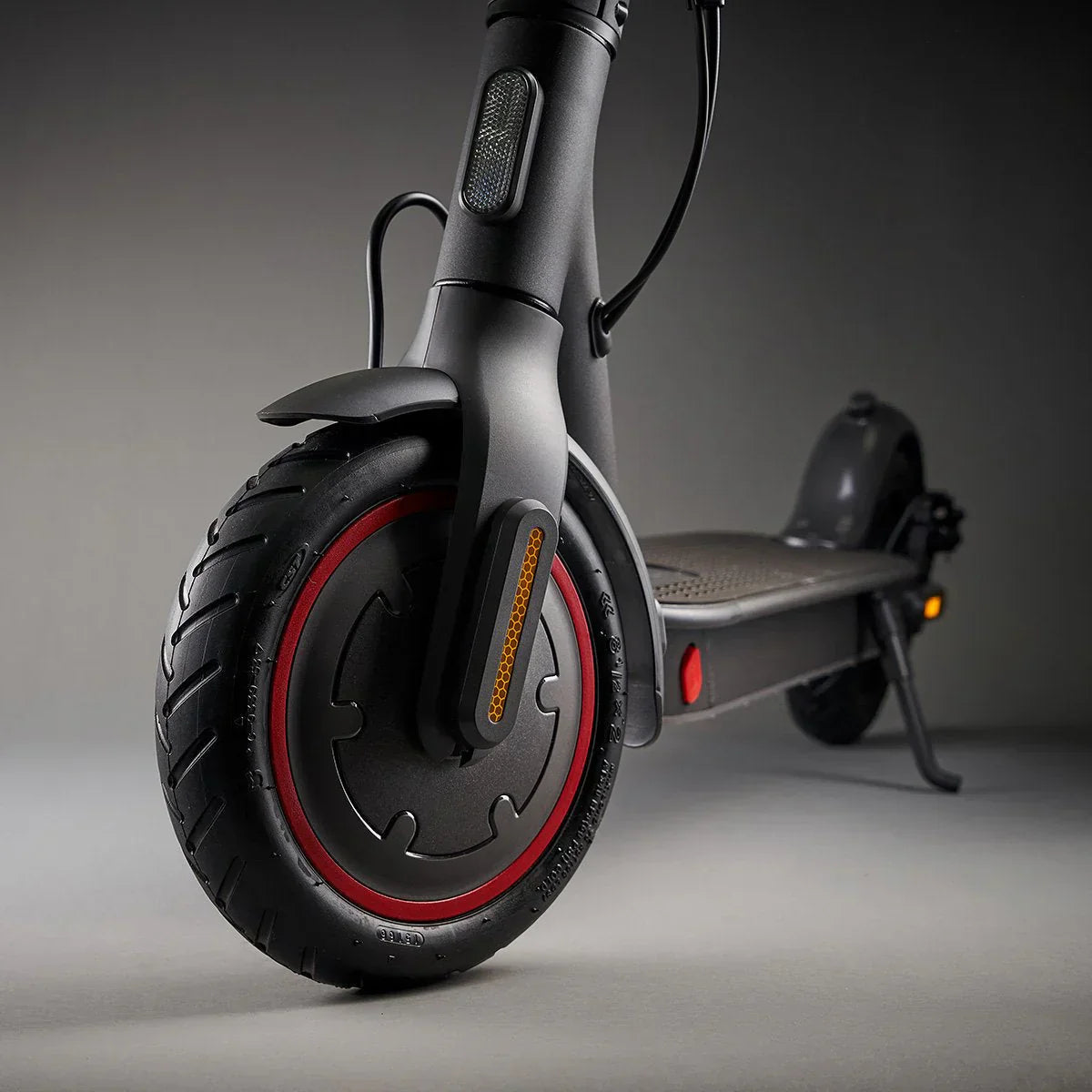
Electric scooters are becoming one of the fastest-growing mobility solutions in Europe. As more cities invest in cleaner and smarter transportation systems, electric scooters offer a convenient, fast, and eco-friendly alternative to cars and public transport.
But with their rapid rise in popularity comes an important question: What are the rules for riding electric scooters in the European Union?
While each country has its own specific regulations, the EU follows several common guidelines to ensure safety, responsible use, and smooth integration into public roads.
1. Age Requirements Across Europe
Most EU countries require riders to be at least 14–16 years old to use an electric scooter on public roads.
Examples include:
-
Germany: Minimum age 14
-
Belgium: No minimum age, but recommended
-
Netherlands: Currently under review, often 16 for shared scooters
-
Sweden & Denmark: 15–16 recommended depending on local rules
Always check the local requirements in your area, as age limits can vary.
2. Speed Limits: Usually Between 20–25 km/h
To ensure safety in urban areas, most EU countries have capped e-scooter top speeds at:
-
20 km/h on roads and bike lanes
-
6–10 km/h in pedestrian zones
-
25 km/h maximum construction speed for legal use
High-speed scooters (30–50 km/h) often require registration and may be classified as mopeds.
3. Where Are You Allowed to Ride?
In most EU countries, electric scooters must follow the same rules as bicycles:
Allowed:
-
Bicycle lanes
-
Shared mobility paths
-
Residential streets
-
Roads with speed limits under 50 km/h
Not allowed:
-
Highways
-
Motorways
-
Sidewalks (unless explicitly allowed by city rules)
This protects both riders and pedestrians and keeps traffic flowing smoothly.
4. Helmet Rules in the EU
Helmet laws vary by country:
-
Mandatory: Finland, France (under 12), Italy (under 18)
-
Strongly recommended: Netherlands, Germany, Belgium, Denmark, Sweden
Even when it's not required by law, a helmet significantly improves safety and reduces injury risks.
5. Lighting and Reflectors: Mandatory for Night Riding
To ride safely at night, EU rules require your electric scooter to have:
-
Front white light
-
Rear red light
-
Side reflectors
-
A working bell or horn
This makes you visible to cars, cyclists, and pedestrians.
6. Insurance and Registration
Most electric scooters do NOT require insurance or registration if:
-
They do not exceed 25 km/h
-
They are used in designated areas (bike lanes, normal roads)
Exceptions include:
-
High-power scooters
-
Models that exceed local speed limits
-
Scooters classified as mopeds
In these cases, registration, insurance, and a license may be mandatory.
7. Alcohol and Traffic Rules
In the EU, riding an electric scooter is legally similar to riding a bicycle.
This means:
-
Traffic signs and lane rules apply
-
Riding under the influence of alcohol is punishable
-
Police can fine riders for reckless behavior
Safety always comes first.
8. Rental Scooter Rules vs. Private Scooter Rules
Most cities have separate rules for shared scooters (Lime, Tier, Dott, Voi) vs. privately owned scooters.
Shared scooters often have:
-
Slow modes for pedestrian areas
-
Automatic speed limits
-
Geofenced regions
Privately owned scooters follow national laws, so it’s important to know the rules before riding.
Conclusion: Riding Smart in the EU
Electric scooters are transforming mobility across Europe by offering a clean, fast, and sustainable way to travel.
With increasing support from governments and cities, the EU is building clear rules that protect riders, pedestrians, and the environment.
By understanding the laws — age limits, speed rules, safety requirements, and where you can ride — you stay safe, responsible, and fully compliant.
Electric scooters are the future of European transport, and knowing the rules is the key to enjoying them to the fullest.
Share:
Why Electric Scooters Are the Future of Safe, Fast, and Eco-Friendly Urban Mobility
Electric Scooters and the New Era of Urban Mobility